
Senior Safety Aids and Caregiver Guides
Expert opinion, trusted caregiver advice, and the latest 2026 industry safety standards. We help you choose the best aids and AI tech for your aging parents.
Most Popular With Our Readers
What caregivers bought most on Amazon through ElderlyDaily. Updated October 2026.
HurryCane
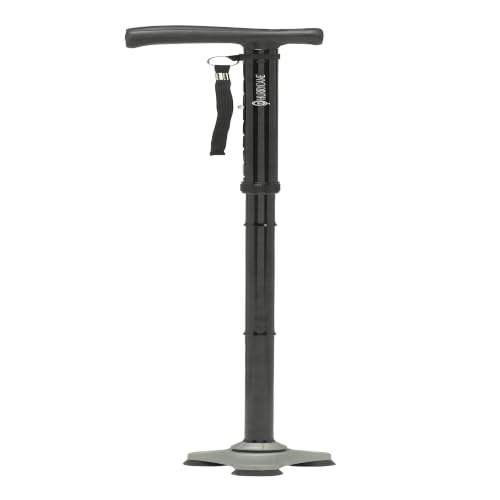
Freedom Edition Folding Cane
Drive Medical
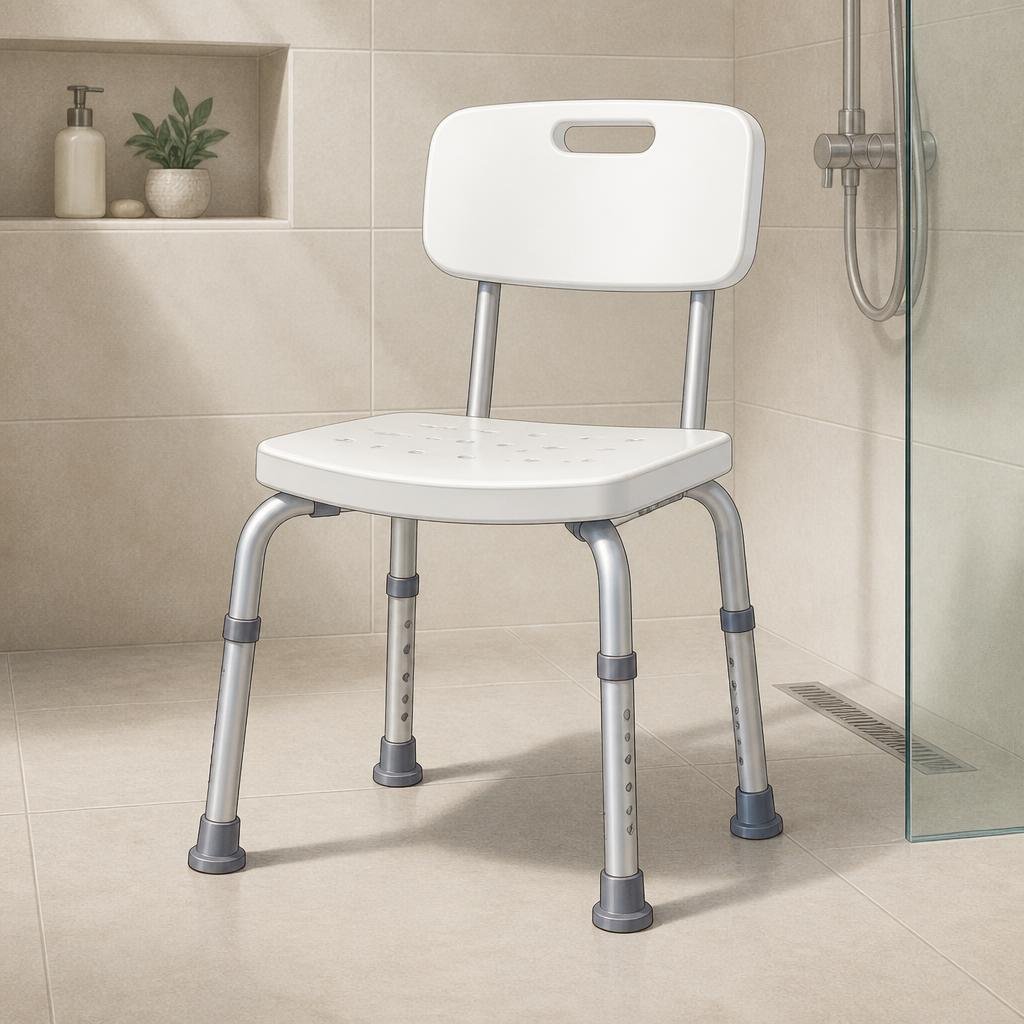
Shower Chair with Back & Padded Arms
Lunderg
Early Alert Bed & Chair Alarm
LiveFine
28-Day Automatic Pill Dispenser
GE
Motion-Sensor Night Light, 2-Pack


Find Help for Your Specific Caregiving Challenge
Navigate directly to expert guides tailored to your parent's needs

AI & Smart Care (2026)
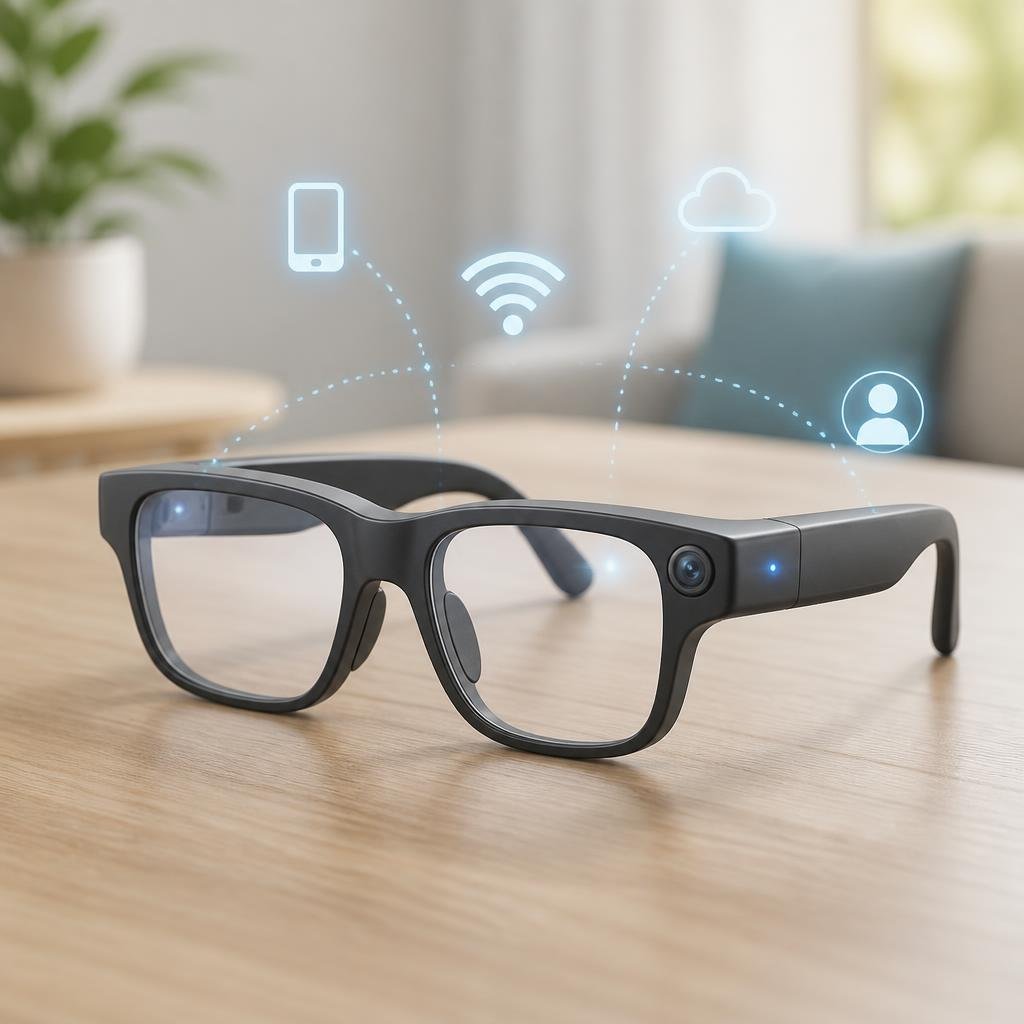
Fall sensors, companions, and wearables

Mobility & Fall Prevention
Walkers, rollators, and home setup

Dementia Care at Home
Wandering prevention and daily routines

Post-Hospital Recovery
Safe transfers and bedroom aids

Incontinence Management
Products, routines, and dignity-first tips

Bathroom Safety
Grab bars, shower chairs, and fall-proofing
Our Top Pick in Every Care Category
One standout pick in each major care category, chosen from our research and cross-checked against current safety guidance.

AltumView Sentinare 3
Detects falls instantly without wearables — no button to press, no camera needed.
See Full Category Reviews
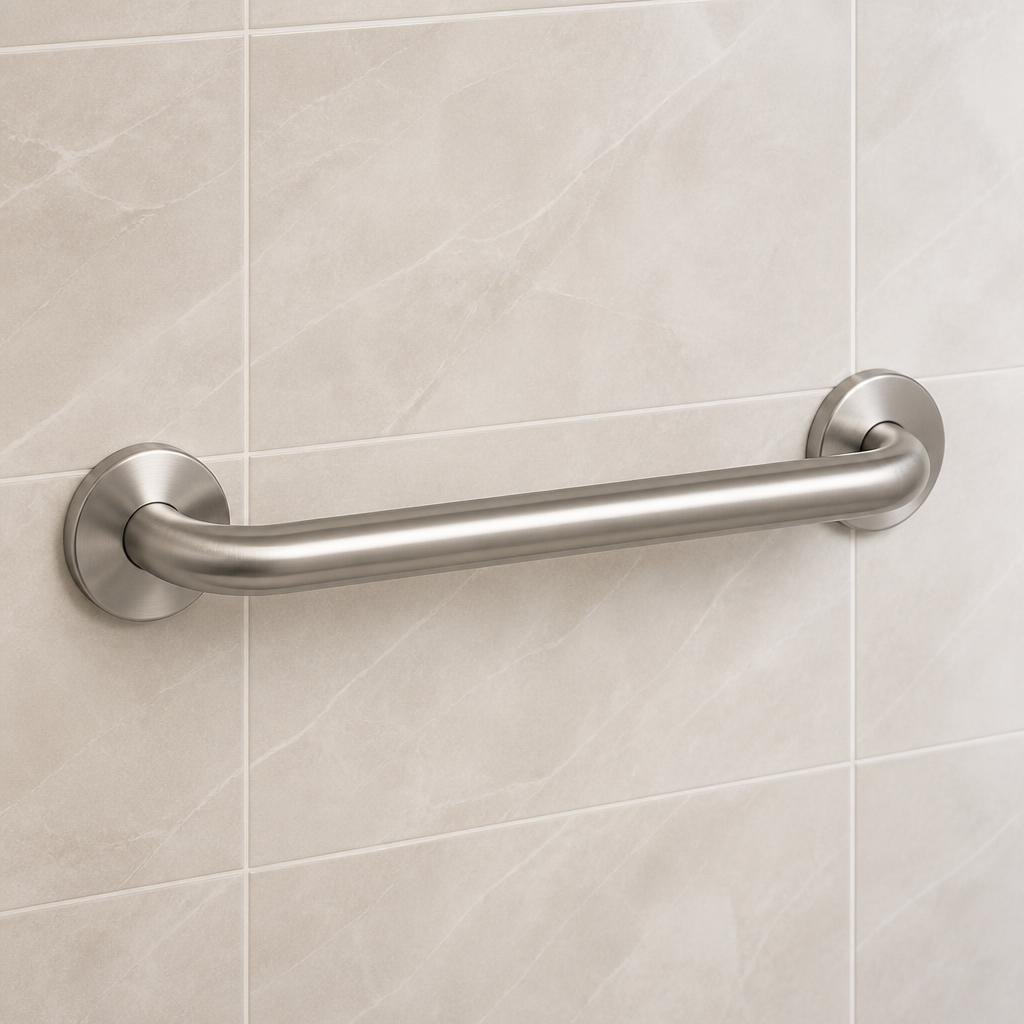
Moen Home Care 24" Wall-Mounted Grab Bar
ADA-compliant stainless steel bars rated to 500 lbs — the gold standard for bathroom safety.
See Full Category Reviews
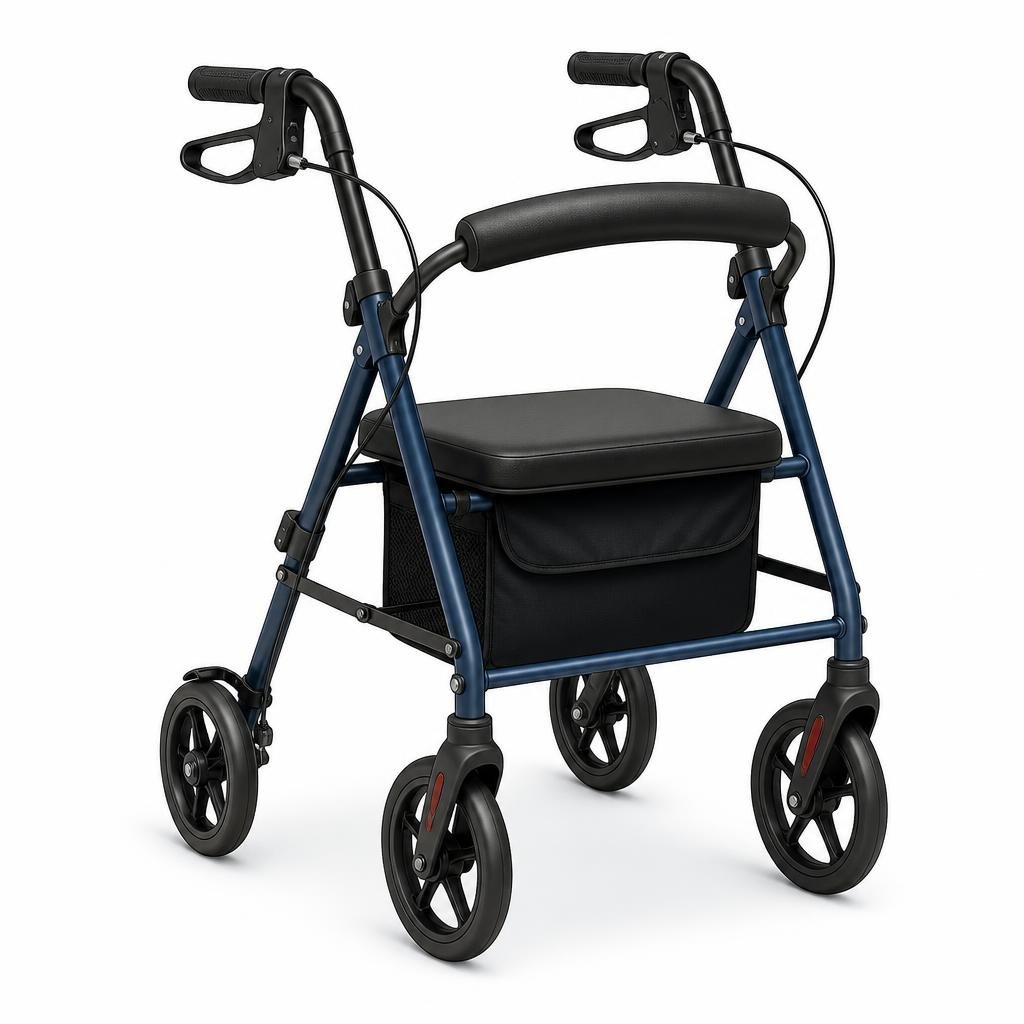
Drive Medical Nitro Sprint Rollator
Lightweight aluminum frame with loop brakes and a padded seat — top pick for active seniors.
See Full Category Reviews
American Lifetime Day Clock
Large-display clock shows day, date, and time of day in plain language — reduces confusion and anxiety.
See Full Category Reviews
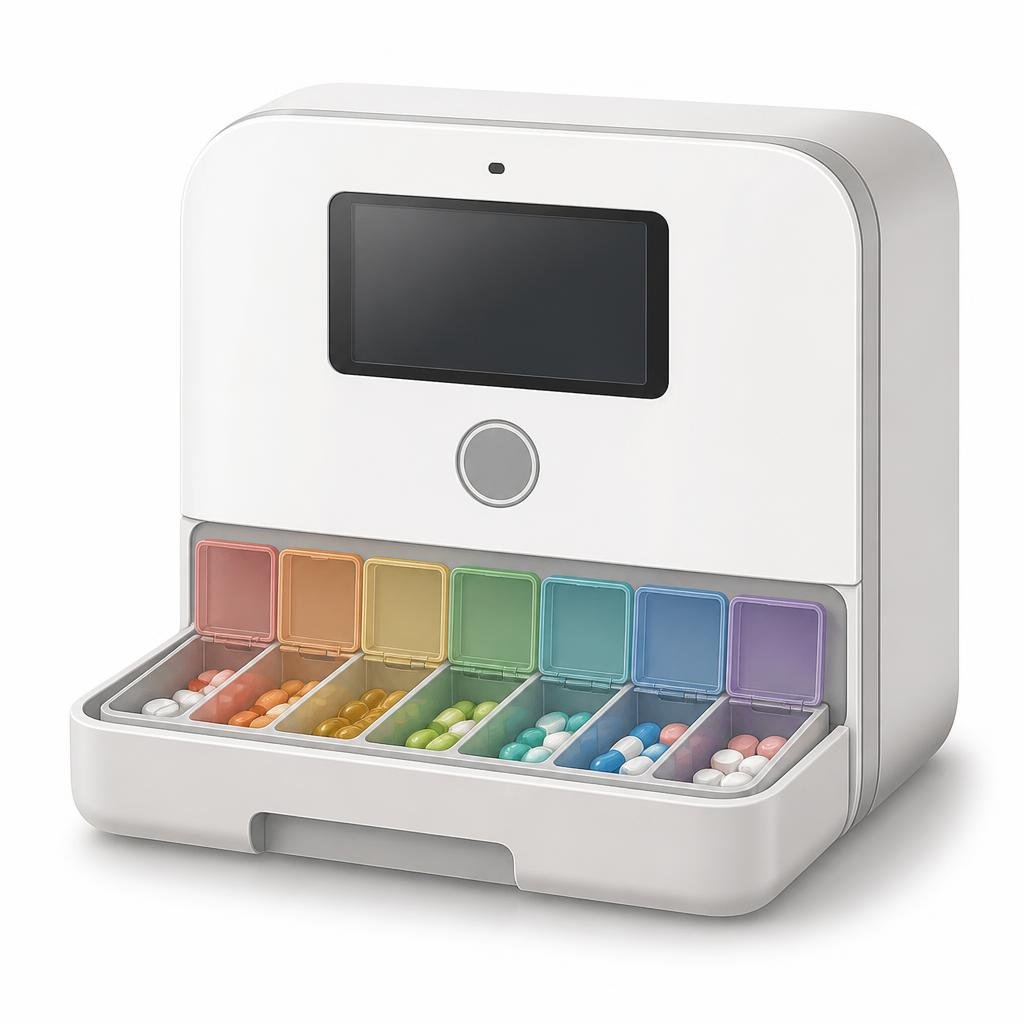
LiveFine 28-Day Automatic Pill Dispenser
Automated dispensing with caregiver app alerts — eliminates missed or double doses.
See Full Category Reviews
Apple Watch Series 12 (GPS + Cellular, 46mm)
Fall detection, ECG, blood oxygen, and emergency SOS — the most complete health wearable for seniors.
See Full Category Reviews2026 Comprehensive Buying Guides
In-depth comparison articles written by family caregivers — covering safety ratings, verified owner reports, and the latest 2026 product updates.

Best Hearing Aids for Elderly
Over-the-counter against prescription, what fits an ear that has worn nothing before, and whether stiff hands can manage the battery door and the controls.

Best Large-Button Phones for Seniors
Amplification levels, hearing-aid compatibility, photo dialling, and the difference between a phone with big keys and one that is genuinely easier to use.

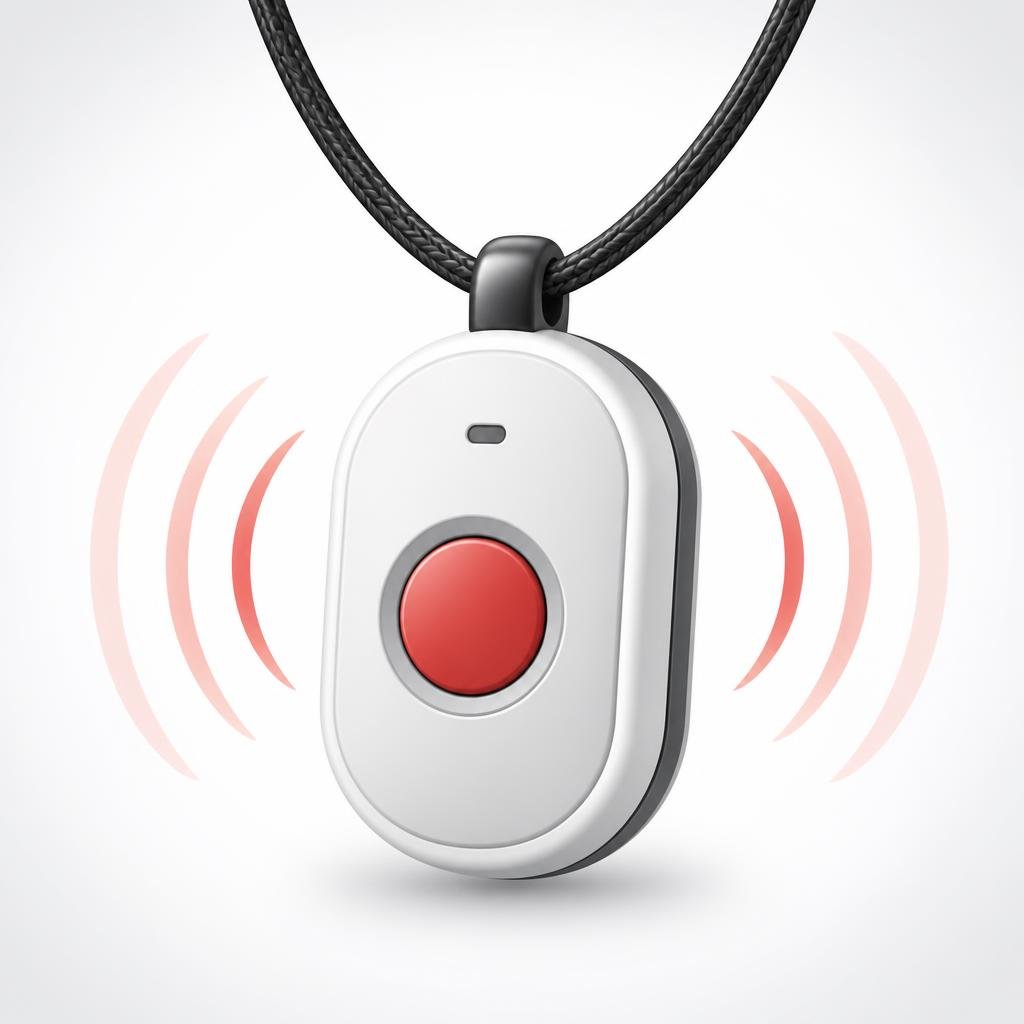
Best Medical Alert Devices
GPS vs. in-home systems, fall detection accuracy, monthly fees, and response times — everything you need to choose the right alert device.

Best Recliners for Seniors
Seat height, firmness and armrest shape decide whether someone can stand back up unaided. The comparison most recliner listings leave out.

Best Shower Chairs for Seniors
Weight limits, non-slip feet, back support options, and transfer bench alternatives — our complete guide to safe bathing independence.

Best Adjustable Beds for Seniors
Head and leg elevation, how the frame affects getting in and out of bed, and what delivery and setup actually involve for a bed this size.
Free Caregiver Tools — No Sign-Up Required
Quick, evidence-based assessments to help you make confident decisions for your aging parent.
Fall Risk Assessment
Identify your loved one's fall risk level at home
Care Plan Generator
Build a personalized senior care plan in minutes
Caregiver Burnout Check
Spot early warning signs of caregiver exhaustion
Should Parent Live Alone?
Assess whether independent living is still safe
Caregiver Alerts & Guides

Recalls & Warnings
| Date | Brand/Store | Issue type | Product |
|---|---|---|---|
| 10.15.2026 | Sold Online At: Amazon.com from February 2026 through August 2026 for about $60. | Recall | usOpal Recalls Xalirium Portable Bed Rails Due to Risk of Serious Injury or Death from Entrapment and Asphyxiation; Violate Mandatory Standard for Adult Portable Bed Rails Hazard: The recalled bed rails violate the mandatory standard for adult portable bed rails because when the bed rails are attached to a bed, users can become entrapped within the bed rail or between the bed rail and the side of the mattress, posing a serious entrapment hazard and risk of death by asphyxiation. The bed rails do not meet structural stability or retention strap requirements, posing a fall hazard. In addition, the bed rails do not bear the required hazard warning labels. |
| 10.01.2026 | Zhongshan Lebo Medical Co., Ltd., of China | Recall | Agrish Reannounces and Expands Recall of Adult Portable Bed Rails Due to Risk of Serious Injury or Death from Entrapment and Asphyxiation; Violate Mandatory Standard for Adult Portable Bed Rails; Additional Units Added Hazard: The recalled bed rails violate the mandatory standard for adult portable bed rails because when the bed rails are attached to a bed, users can become entrapped within the bed rail or between the bed rail and the side of the mattress, posing a serious entrapment hazard and risk of death by asphyxiation. The bed rails do not meet structural stability or retention strap requirements, posing a fall hazard. Additionally, the bed rails' push pins and push pin holes are incorrectly sized, posing a laceration hazard. |
| 10.01.2026 | Sold Online At: Amazon.com from February 2026 to June 2026 for about $43. | Recall | YunHeng Recalls LandTale Bed Rails Due to Risk of Serious Injury or Death from Entrapment and Asphyxiation; Violate Mandatory Standard for Adult Portable Bed Rails Hazard: The recalled bed rails violate the mandatory standard for adult portable bed rails because users can become entrapped within the bed rail or between the bed rail and the side of the mattress, posing a serious entrapment hazard and risk of death by asphyxiation. In addition, the bed rails do not bear the required hazard warning labels. |
- 10.15.2026RecallusOpal Recalls Xalirium Portable Bed Rails Due to Risk of Serious Injury or Death from Entrapment and Asphyxiation; Violate Mandatory Standard for Adult Portable Bed Rails
Brand: Sold Online At: Amazon.com from February 2026 through August 2026 for about $60.
Hazard: The recalled bed rails violate the mandatory standard for adult portable bed rails because when the bed rails are attached to a bed, users can become entrapped within the bed rail or between the bed rail and the side of the mattress, posing a serious entrapment hazard and risk of death by asphyxiation. The bed rails do not meet structural stability or retention strap requirements, posing a fall hazard. In addition, the bed rails do not bear the required hazard warning labels.
- 10.01.2026RecallAgrish Reannounces and Expands Recall of Adult Portable Bed Rails Due to Risk of Serious Injury or Death from Entrapment and Asphyxiation; Violate Mandatory Standard for Adult Portable Bed Rails; Additional Units Added
Brand: Zhongshan Lebo Medical Co., Ltd., of China
Hazard: The recalled bed rails violate the mandatory standard for adult portable bed rails because when the bed rails are attached to a bed, users can become entrapped within the bed rail or between the bed rail and the side of the mattress, posing a serious entrapment hazard and risk of death by asphyxiation. The bed rails do not meet structural stability or retention strap requirements, posing a fall hazard. Additionally, the bed rails' push pins and push pin holes are incorrectly sized, posing a laceration hazard.
- 10.01.2026RecallYunHeng Recalls LandTale Bed Rails Due to Risk of Serious Injury or Death from Entrapment and Asphyxiation; Violate Mandatory Standard for Adult Portable Bed Rails
Brand: Sold Online At: Amazon.com from February 2026 to June 2026 for about $43.
Hazard: The recalled bed rails violate the mandatory standard for adult portable bed rails because users can become entrapped within the bed rail or between the bed rail and the side of the mattress, posing a serious entrapment hazard and risk of death by asphyxiation. In addition, the bed rails do not bear the required hazard warning labels.
Source: Recalls are pulled directly from the U.S. Consumer Product Safety Commission (CPSC) and filtered to products relevant to senior care. This list refreshes each time the site is rebuilt. Always confirm the current status with the CPSC or the manufacturer before acting.
Frequently Asked QuestionsAbout Aging in Place
Quick, expert-backed answers to the caregiving challenges families face most often.
Still have questions?
We read every message — no question is too small.
Why Families Trust ElderlyDaily
Caregiver-Focused Research
Every guide is researched around the real needs of family caregivers and older adults, drawing on published medical and caregiving guidance.
Specs + Verified Owner Reviews
We compare the specs that matter — weight capacity, stability, adjustability, ease of daily use — alongside verified owner reviews, not marketing claims.
No Paid Placements
We may earn a commission when you buy through our links, and some slots are paid placements — those are always labelled. What we recommend is chosen for safety and independence, and advertising never buys a place in our picks.
How we research our recommendations
We don't run a testing lab. For each product type we set the criteria that actually matter, compare the leading options against them alongside verified owner reviews, then sense-check every recommendation against published medical and caregiving guidance.
Read our full research standardsMedical Disclaimer
ImportantThe content on ElderlyDaily.com is for informational and educational purposes only and is not intended as a substitute for professional medical advice, diagnosis, or treatment. Always seek the advice of your physician or other qualified health provider with any questions regarding a medical condition or mobility challenge.
Consult Your Doctor
Never disregard professional medical advice based on content you read here.
Emergency? Call 911
If you think you may have a medical emergency, call your doctor or 911 immediately.
Verify Information
Always verify product recalls and safety alerts with the manufacturer or CPSC.
